Leadership is measured by what continues after we’re gone.
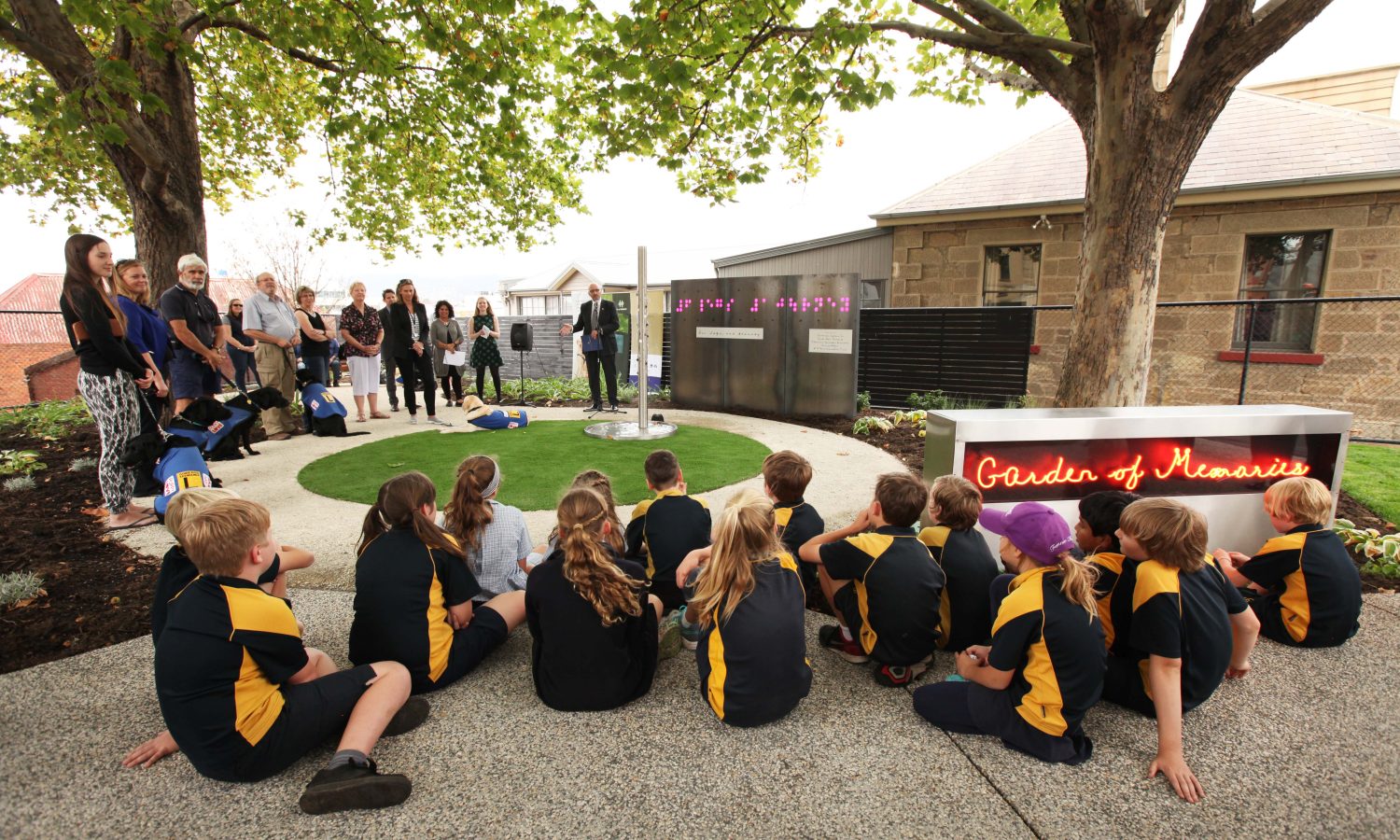
Dotted across Tasmania are places that exist today because a small group of people decided their leadership should create something that would outlast them. A bike park where children learn to ride safely. A memorial garden that honours the partnership between guide dogs and the people whose independence they made possible. Beach access that opens the coast to people who thought they would never feel sand beneath their wheels again. Trishaws carrying older Tasmanians through parks and along waterfronts, reconnecting them with fresh air, memory and community.
These projects are different in purpose, scale and location, yet they share something important. They were never about building infrastructure. They were about responding to a human need through the built environment, creating a legacy that would be joyful, practical and a lasting expression of a shared vision.
The Kentish Community Road Safety Bike Park began with an observation: there was a significant gap between the time children learnt basic road safety and the time they gained their driver’s licence. Rather than accepting that gap, one Learning Set worked alongside the Sheffield community to create a free, community-built bike park where young people could develop confidence, road awareness and safe cycling skills for years to come. Many stakeholders needed to be involved from planning to construction and adopt the vision of what could be.
The Guide Dogs Tasmania Memorial Garden followed a very different path. The original project proposed by the Learning Set was declined, forcing the team to regroup and reconsider. Instead of walking away, they embraced a second idea that had been waiting for years. It took persistence long after the formal program had ended, requiring the group to recreate the momentum and relationships they had built through Tasmanian Leaders. Eventually, on International Guide Dog Day in 2016, the memorial garden opened as a quiet place of reflection, honouring guide dogs whose service had changed countless lives.
Leadership takes the time it takes. It needs agility when circumstances change. It needs every conversation, big and small, to build consensus. It needs commitment to stay when recognition has faded, and it needs the determination to keep showing up because the outcome still matters when the urgency of a leadership program conclusion is long gone.
Projects such as Wheels to Waves and Cycling Without Age demonstrate that leadership often begins by noticing who is missing from everyday experiences. Access to beaches. Access to movement. Access to connection. Rather than accepting these barriers as inevitable, or worse not seeing them at all, graduates have worked alongside communities, councils, volunteers and partners to create practical solutions that make Tasmania more inclusive.
Each project starts with the transient act of curiously noticing as a catalyst for something more tangible to emerge.
This is where physical infrastructure and human infrastructure become inseparable. Bike parks do not build themselves. Memorial gardens are not simply landscaped into existence. Accessible pathways, adapted bicycles and community spaces are the visible result of trust, relationships, collaboration and shared commitment. Before concrete is poured or trees are planted, people have already done the deeper work of listening, influencing, partnering and solving complex problems together. The visible structure is a material expression of a human leadership story.
This reflects one of the enduring ideas at the heart of Tasmanian Leaders: leadership is rarely measured by what we achieve while people are watching. Its greatest contribution is what continues after we have stepped away.
Years from now, children will still ride through Sheffield’s bike park. Families will still pause in the Guide Dogs Memorial Garden. Older Tasmanians will continue feeling the breeze on their faces as volunteers cycle them through places filled with memory. Many of those people will never know the names of the graduates who made these things possible. They don’t need to.
And that is leadership’s greatest achievement. Not that people remember who built it. But that the community cannot imagine their places without it.