Welcome to ‘leadership in conversation’ – an occasional series where Angela Driver, CEO Tasmanian Leaders sits down with participants in our programs to talk about their experience thus far, their insights and learnings, and their aspirations for their future leadership practice.
The Tasmanian Leaders Program (TLP) has been operating since 2007. It’s a respected ten-month experience comprising 25 days of immersive learning that develops leadership capability through broadened perspectives, meaningful relationships and real-world application.
This program is ideal for people who want to learn leadership while gaining a deeper understanding of the challenges and opportunities facing Tasmania. Through immersive, experiential learning – from industry visits to time spent with community- participants develop insight, perspective and the motivation to lead with impact.
In conversation with Nick Watson GTLP – 2025 Graduate


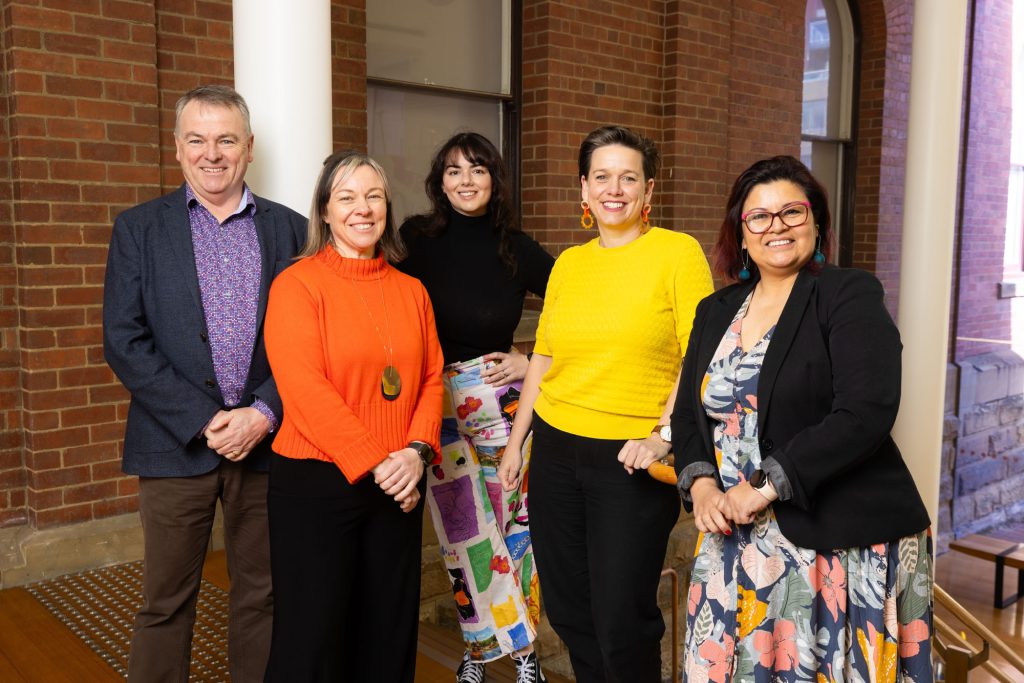
L-R: Nick Watson GTLP, TLP 2025 graduate, Angela Driver GTLP, CEO Tasmanian Leaders.
Images: Richard Jupe Photography and Laura Purcell Photography
- What motivated you to apply for the program, and how is it tracking so far?
When I applied for the leadership program, I was motivated by a strong desire to grow — not just professionally, but personally. I’d reached a point in my career where I knew that technical skills and experience could only take me so far. What I was really seeking was a deeper understanding of how to lead people effectively, especially in the face of constant change, complexity, and competing demands. I wanted to explore how I could become more intentional in my leadership and more connected with those around me. So far, the experience has been incredibly rewarding. It has challenged me in unexpected ways and encouraged a level of self-reflection that I hadn’t made space for before.
- What has shifted for you since starting TLP?
Since starting the program, one of the biggest shifts for me has been in how I understand myself and others. I’ve gained greater insight into emotional management — how my own emotional responses shape the way I lead, and how I can better interpret and respond to the emotions and behaviours of those I work with. I’ve become more conscious of what drives people’s actions and reactions, and more attuned to the often-unspoken dynamics that influence team culture. This awareness has helped me slow down, be more present, and approach situations with greater empathy and perspective.
These changes have already started to influence how I lead in a practical sense. I’ve made a real effort to shift from being solution-focused to being people-focused — creating space for open dialogue, really listening, and making sure others feel heard and supported. In difficult conversations or team challenges, I find myself pausing more often to consider the human elements before jumping into problem-solving mode. As a result, I’ve noticed more openness and trust in the way my team engages with me, and a stronger sense of shared ownership in our work.
- Have you already done something differently at work or in your team because of the program?
As the Managing Director of a small/medium-sized manufacturing business with around 70 staff, these lessons have had real, tangible benefits. Manufacturing environments are often fast-paced and task-driven, and it can be easy to overlook the emotional and interpersonal layers within teams. This program has helped me balance the operational demands of the business with a stronger focus on people. I’ve been able to better support my leadership team, foster a more open and collaborative culture, and navigate difficult situations with more emotional intelligence. It’s also helped me recognise the importance of modelling self-awareness and adaptability — not just for my own growth, but to set the tone for the entire organisation.
- What would you say to someone who’s unsure about applying? Why should they go for it now?
If you’re even slightly curious about growing as a leader, this program is worth it. It’s not just theory it has provided real, lasting change. The insights I have gained have stuck with me and show up in your day-to-day leadership constantly. One of the most valuable parts has been the support from both the facilitators and other participants. The conversations and shared experiences have been just as powerful as the structured content. The time commitment can seem like a challenge, but making space to step back and focus on myself has been one of the best investments I have made. This course offers the space, structure, and support to grow — not just as a leader, but as a more authentic, capable, and emotionally intelligent version of yourself. The personal and professional growth I’ve experienced this year has gone far beyond what I expected when I first applied, and I’m incredibly grateful for what this journey has brought into my leadership and life.
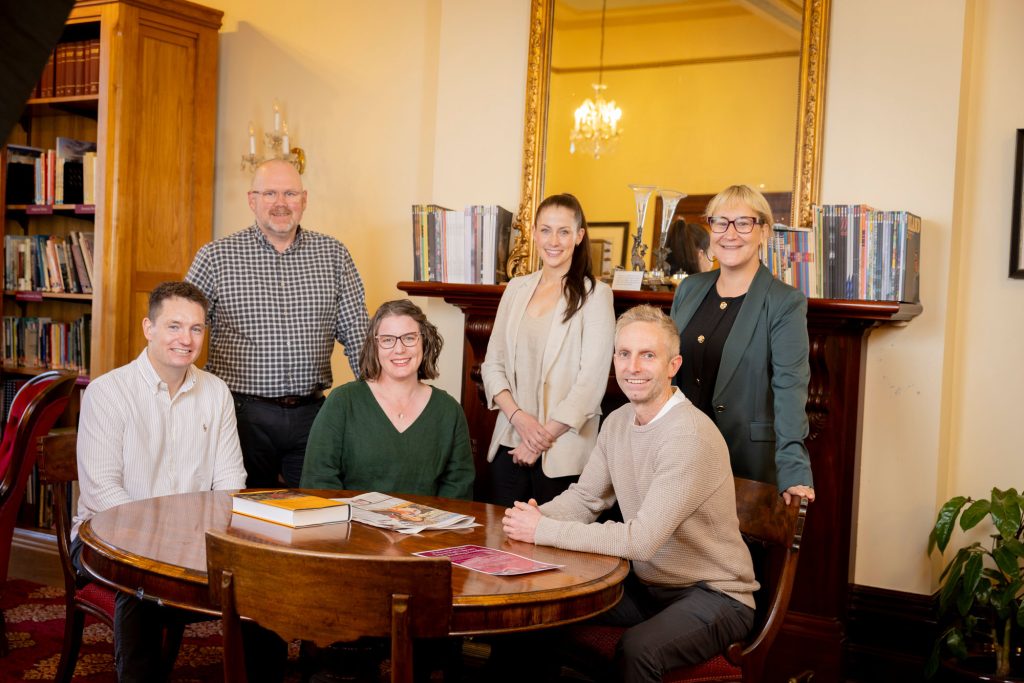
L-R: TLP 2025 graduates Brady Jones GTLP, Mark Baker GTLP, Louise Cooper GTLP, Mel Cripps GTLP, Nick Watson GTLP and Jess Rice GTLP. Image: Richard Jupe Photography